


Introduction: What is Vegan Food and Why It Matters
If you’ve ever wondered what vegan food is, you’re tapping into one of the most dynamic shifts in how we eat, live, and think. Vegan food isn’t just about avoiding meat or dairy; it’s about a whole lifestyle, a community, and increasingly a global movement that reaches far beyond the plate. In this article, we’ll explore the origin of vegan food, its evolution, why people choose it, its benefits and drawbacks, how it became globally popular, and what the future holds. By the end, you’ll have a deep understanding of vegan food, how it started, why it matters, and where it’s headed.


Origin of Vegan Food: Historical Background and Early Adopters
Ancient roots
Although the term “vegan” was only coined in 1944, the idea of avoiding animal products or at least minimising them has roots far older. For example, in ancient civilizations of the Indian subcontinent, the principle of ahimsa (non-violence) in religions like Jainism, Hinduism, and Buddhism encouraged vegetarian or plant-based diets. Also, studies suggest that vegetarian diet patterns go back some 9,000 years in the Indus region. In the Mediterranean, the Greek philosopher Pythagoras (c. 500 BCE) promoted abstaining from meat for moral reasons.
Pre-modern roots
The idea of eating without animal products isn’t entirely new. In many ancient traditions, India, Greece, and some early Christian sects, abstaining from meat or animal by-products for ethical or spiritual reasons was common. For instance, in ancient India, many Hindu and Jain traditions practiced vegetarianism for thousands of years, which laid an ethical foundation for later plant-based eating.
Emergence of the term “vegan”
The actual word “vegan” is relatively recent. In 1944, the Vegan Society in the UK formally coined the term “vegan” (as a contraction of “vegetarian”) to describe a diet free of all animal‐derived products (meat, dairy, eggs, and honey). This marked a key moment: vegan food became defined as something specific rather than just extreme vegetarianism.
Early adopters
In the mid-20th century, pioneers in vegan food and veganism included people like Donald Watson in the UK (co-founder of the Vegan Society) and other activists who promoted ethical eating. These early adopters emphasized that a diet free of animal products could still be nutritionally sound, socially conscious, and morally driven.
Who Started the Vegan Movement? Key Figures and First Vegan Societies
The Vegan Society, established in November 1944 in England, marked the formal beginning of the modern vegan movement. In the United States, the first vegan society was founded in 1948 by Catherine Nimmo and Rubin Abramowitz in California, and later the American Vegan Society was founded by H. Jay Dinshah in 1960. These groups set out not just dietary guidelines but ethical frameworks: avoidance of animal products in food, clothing, cosmetics, and entertainment.
Key figures
- Donald Watson (1910-2005): Credited with coining “vegan” and founding the Vegan Society in 1944.
- Other significant figures: In the U.S., pioneers such as Frank Freeman Moore and advocates in the animal-rights and environmental fields helped bring veganism into public view.
First vegan societies
- The Vegan Society (UK, 1944) – the first formal organisation for vegans, establishing definitions, ethics, and promoting vegan food and lifestyle.
- Over subsequent decades, vegan societies spread globally: the U.S., Australia, India, and Europe, each adapting vegan food and vegan lifestyle to local culture.
Milestones
- 1944: Vegan Society founded.
- 1950s-70s: Vegan food remained niche, often linked with vegetarianism and animal-rights activism.
- 1980s-90s: With rising environmental awareness, vegan food began to be discussed in terms of sustainability.
- 2000s+: Vegan food, vegan lifestyle, and the vegan movement entered mainstream media, pop culture, and global markets.
Evolution of Veganism Over the Decades From Niche to Global Trend

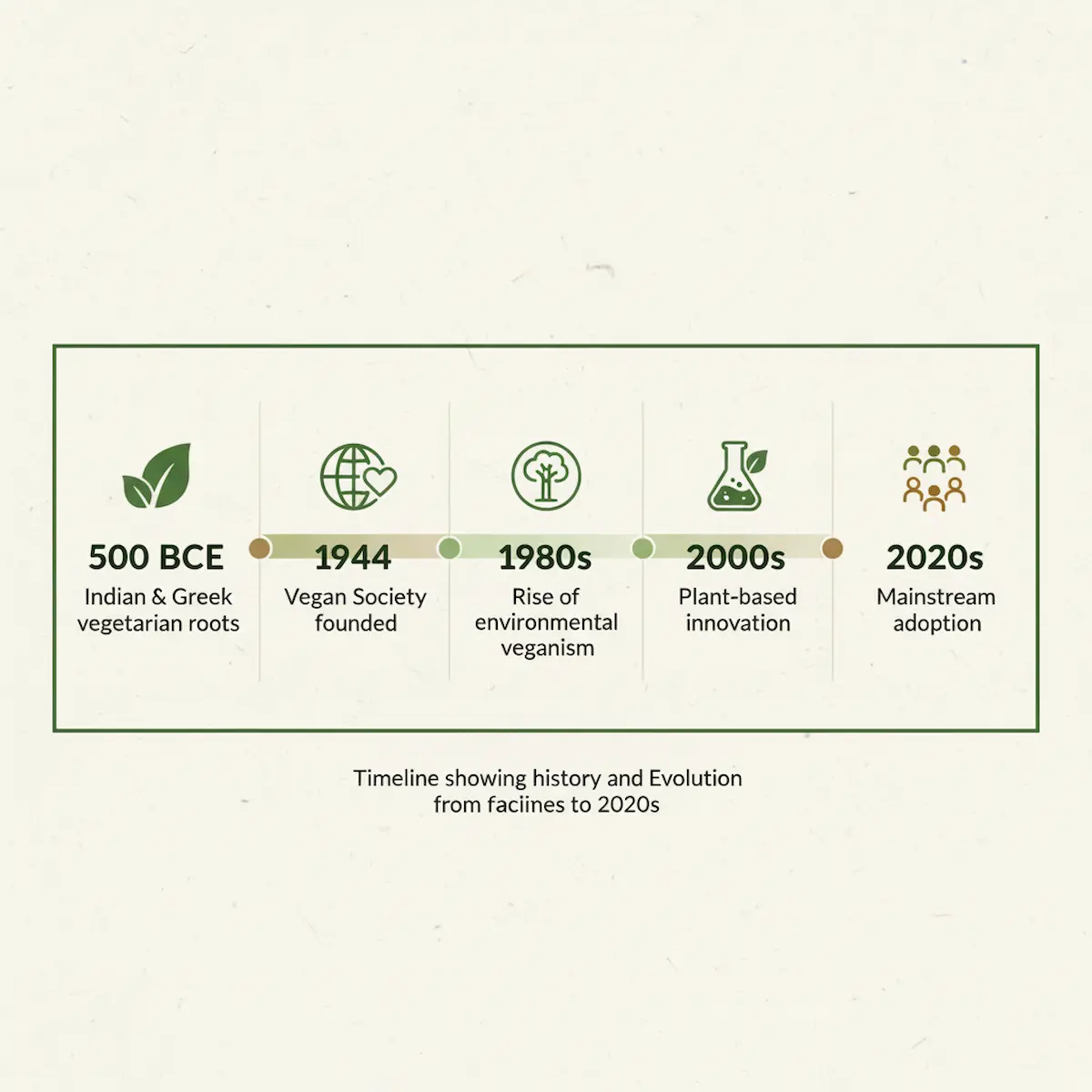
1950s-1970s: The niche era
In this period, vegan food was largely limited to small communities, health food stores, and animal-rights groups. It wasn’t common on restaurant menus or supermarket shelves.
1980s-1990s: Early growth and diversification
The vegan diet began to be framed not just as ethics, but health: research began to explore plant-based diets and chronic disease. Vegan food options started to appear in more places. More cookbooks, vegan restaurants, and mainstream awareness.
2000s-2010s: Acceleration and mainstreaming
Several forces converged to bring vegan food into mainstream culture:
- Environmental concerns (climate change, resource use) show how animal agriculture contributes to greenhouse gases.
- Health interests: Plant-based diets have been shown to reduce the risk of certain diseases.
- Innovation in food technology: vegan meats, dairy alternatives, plant-based proteins.
- Social media and celebrity influence.
- The growth of the vegan community and the vegan lifestyle is becoming more visible.
2020s: Global explosion and diversification
As of recent data, vegan food is no longer niche. For example, in the UK, surveys show between 1-3% of people identify as vegan, and large proportions are reducing animal-product intake. Searches for “vegan food near me” and “vegan restaurants” have surged in recent years. The vegan food industry now spans retail, food service, packaged goods, restaurants, and beyond.
How Veganism Became a Community and Lifestyle
Veganism today is more than just what you eat. It encompasses a full lifestyle: choosing clothing without leather/fur, avoiding cosmetics tested on animals, refusing products derived from animals, and living in alignment with the broader ethical principle of ‘non-violence’ or minimal animal exploitation.
The vegan community has organised itself via societies, clubs, online forums, social media groups, events (such as World Vegan Day on 1 November), and local meetups. These reinforce the social dimension and support network for vegan individuals.
This community aspect also fosters innovation: vegan restaurants, cafés, product lines (plant-based milks, meat-alternatives, vegan cheeses), festivals, and cookbooks all contribute to a culture around vegan food.
The vegan food community
Vegan food isn’t just a diet, it’s part of a lifestyle and community. Vegans often connect via online forums, social media groups, vegan festivals, and societies. This sense of community reinforces choices, shares recipes, supports new vegan food products, and encourages activism.
Vegan lifestyle beyond food
Choosing vegan food often comes with a broader lifestyle: avoiding leather, fur, animal-testing in cosmetics, supporting animal welfare, and choosing sustainable products. The vegan movement has grown beyond just eating, forming a cultural identity, ethical stance, and social network.
Support structures
- Vegan restaurants and cafés have expanded globally.
- Vegan cookbooks, blogs, influencers.
- Apps and directories like HappyCow help vegans find vegan-friendly eateries worldwide.
- Challenges like Veganuary encourage people to try vegan food for a month; their reach has grown massively.
- Vegan-friendly events, conferences, and plant-based trade shows.
All of these form a lifestyle ecosystem around vegan food.
Global Popularity: Media, Celebrities, and Cultural Influence

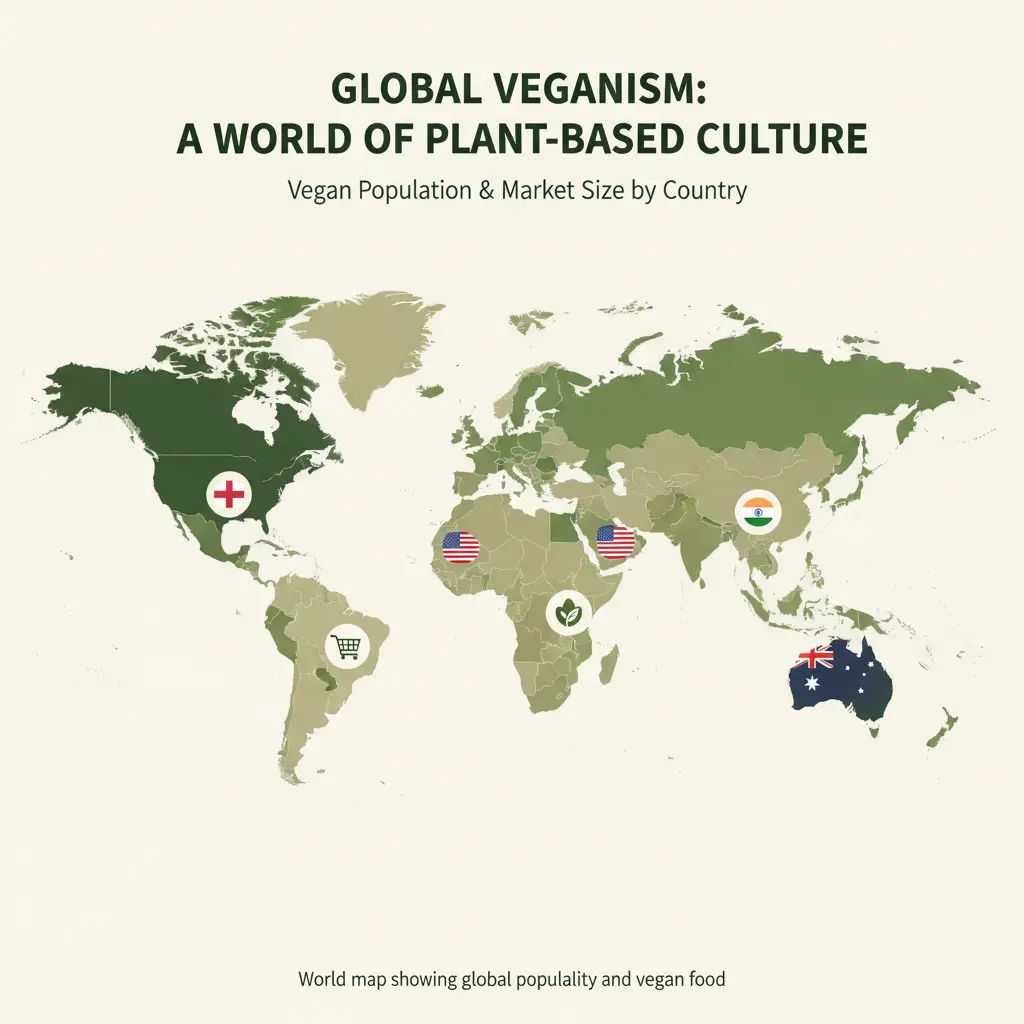
Media coverage of veganism and plant-based diets has grown rapidly. Documentaries, social media influencers, celebrities saying they are vegan or plant-based, and major food brands launching vegan lines have all helped bring vegan food into mainstream consciousness.
Food industry data shows that keywords like “vegan food” have substantial search volume (for example, “vegan food” estimated ~49,500 monthly in one dataset), showing strong interest.
Culturally, vegan food is increasingly visible: vegan-friendly menus, vegan festivals, vegan product shelves, and vegan influencers. All this drives popularity and awareness.
Media and celebrity influence
Celebrities, high-profile athletes, and influencers have adopted vegan food and publicly discussed its benefits. This visibility helps normalise vegan food and spread awareness of the vegan lifestyle globally. Documentaries, social media posts, and books on vegan food amplify the message.
Cultural adaptation around the world
Vegan food has been adapted in many cuisines: from India’s long vegetarian traditions to Western fast-food chains offering vegan options, to Asia, Latin America, and Africa, where plant-based dishes reflect local tastes. This global adaptation helps drive popularity.
Statistics and trends
- In the UK, the Vegan Society reports that about 1.5% of people identify as vegan; many more are reducing their intake of animal products.
- Searches for vegan food-related keywords continue to rise.
- Vegan food is increasingly featured in mainstream restaurants, supermarkets, and packaged goods worldwide.
Why the trend grew globally
- Environmental urgency: plant-based diets typically use fewer natural resources and generate lower greenhouse gas emissions.
- Health awareness: increasing research suggests the benefits of plant-based diets.
- Ethical concerns: cruelty-free, animal-rights activism.
- Availability: With improved vegan food options, substitutes, and services, going vegan becomes more feasible.
- Social and cultural shift: veganism moves from counter-culture to mainstream.
Benefits of Vegan Food: Health, Environment, and Ethics
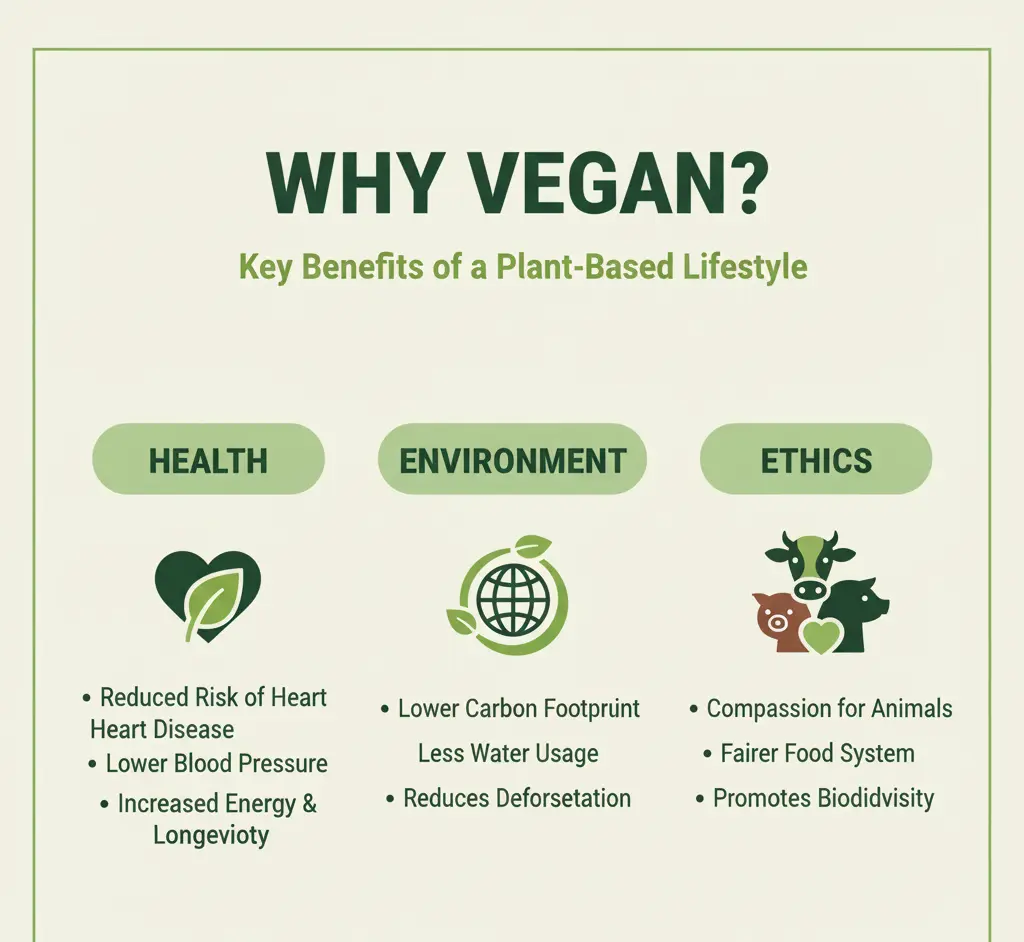
Health benefits
- A vegan diet can reduce the risks of heart disease, improve cholesterol levels, and may reduce certain cancer risks.
- Plant-based diets tend to be rich in fibre, antioxidants, and plant phytochemicals.
Adopting a diet centred on vegan food has been linked with multiple potential health advantages:
- Lower risk of heart disease, hypertension, and type 2 diabetes. Research mentions that vegan diets may help in improved weight management.
- Rich in fruits, vegetables, whole grains, legumes—high in fibre, antioxidants, phytonutrients.
- May reduce exposure to some animal-product-associated saturated fats and cholesterol.
- Ethical alignment may reduce stress or guilt over eating animals (for some people), contributing to wellbeing.
Environmental benefits
- Animal agriculture is a major contributor to greenhouse gases, land use, water use, and deforestation. Vegan food reduces reliance on animal farming and thus environmental impact.
- Vegan food typically uses fewer resources per calorie of food produced.
- By choosing vegan food, people support more sustainable food systems and less intensive farming.
Ethical/moral benefits
- Choosing vegan food supports the avoidance of animal exploitation, aligns with non-violence (ahimsa), and reflects compassion toward animals.
- Vegan food avoids or minimises animal suffering, exploitation of animals for meat, dairy, eggs, and honey.
- Many people choose vegan food because they believe in animal rights, and the vegan lifestyle aligns with that belief.
- Veganism is often linked with broader social justice, sustainable, and compassionate values.
Community & social benefits
- Being part of the vegan community can foster solidarity, shared values, activism for change, and increased awareness of food systems.
Drawbacks or Challenges of Vegan Food: Nutritional and Practical Aspects
Nutritional challenges
- Nutrient deficiencies: Without careful planning, vegan food diets may risk low intake of vitamin B12, iron, calcium, omega-3 (especially DHA/EPA), vitamin D, iodine, and zinc.
- Protein misconceptions: Though plant-based foods can provide protein, people switching to vegan food must ensure an adequate variety of legumes, soy, nuts, seeds, and grains.
- Bioavailability: Some nutrients in plant form are less easily absorbed than animal sources (e.g., non-heme iron vs heme iron).
- Supplementation may be required: Some vegans may need B12 supplements or fortified foods to meet needs.
Practical/social challenges
- Access & cost: In some regions, vegan food may be more expensive or harder to access, especially specialty products.
- Social/family dynamics: Eating vegan food may bring social challenges during shared meals, cultural traditions, and dining out.
- Food labeling and hidden ingredients: Some food items may appear vegan but contain non-vegan additives, cross-contamination, honey, and dairy derivatives.
- Transition difficulties: Changing to a vegan diet may require planning, learning new recipes, and adjusting habits.
Quality of vegan food
- With rising popularity, many vegan-labelled products are highly processed “brand new vegan foods”. These may not always deliver the full health benefits of whole-food plant diets. Recent research suggests ultra-processed vegan foods may carry health risks.
Balanced view
Vegan food can offer major benefits, but the drawbacks or challenges should not be ignored. It’s not simply “eat plants and you’re done.” Thoughtful nutrition, diversity, and planning matter.
Why People Choose Veganism: Moral, Environmental, Health, and Other Reasons
People adopt a vegan food and lifestyle for a mix of reasons:
- Ethical/moral: Concern about animal suffering, animal rights, and factory farming.
- Environmental: Wanting to reduce carbon footprint, conserve resources, and protect the planet.
- Health: For weight management, improved health markers, and reduced disease risk.
- Social/identity: Belonging to a community, aligning diet with values.
- Religious/spiritual: In some traditions, plant-based diets align with beliefs of non-violence.
Moral/ethical reasons
- Many people adopt a vegan diet because of animal welfare: a belief that animals should not suffer for food.
- Ethical veganism extends beyond food to avoid all animal-derived products and exploitation.
- For some, vegan food is a logical choice aligned with the wider ethical stance.
Environmental reasons
- Awareness that animal agriculture significantly impacts the environment: deforestation, methane emissions, water use, and land degradation.
- Many choose vegan food to reduce their individual “carbon footprint” and support more sustainable food systems.
Health reasons
- People switch to vegan food to improve health: weight management, prevent chronic diseases, and feel more energetic.
- Vegan diets are increasingly supported by health professionals when well-planned. (E.g., the article on Healthline mentions a “healthy vegan diet should contain a variety of whole grains, proteins, healthy fats, etc.)
Social and cultural reasons
- Some adopt vegan food because of peer groups, social media influence, or being part of the vegan community.
- Others may shift for religious or spiritual reasons, or because of cultural adaptation (e.g., plant-based diets in certain traditions).
- Trends and identity: For many, vegan food becomes part of self-identity and lifestyle choices.
Summary
In short, people choose vegan food for a combination of:
- Ethics (animal welfare)
- Environment (sustainability)
- Health (wellness)
- Social/identity (community, culture)
- Practical (availability of vegan food options makes it easier than before)
Vegan Food Industry Today: Market Growth and Innovations

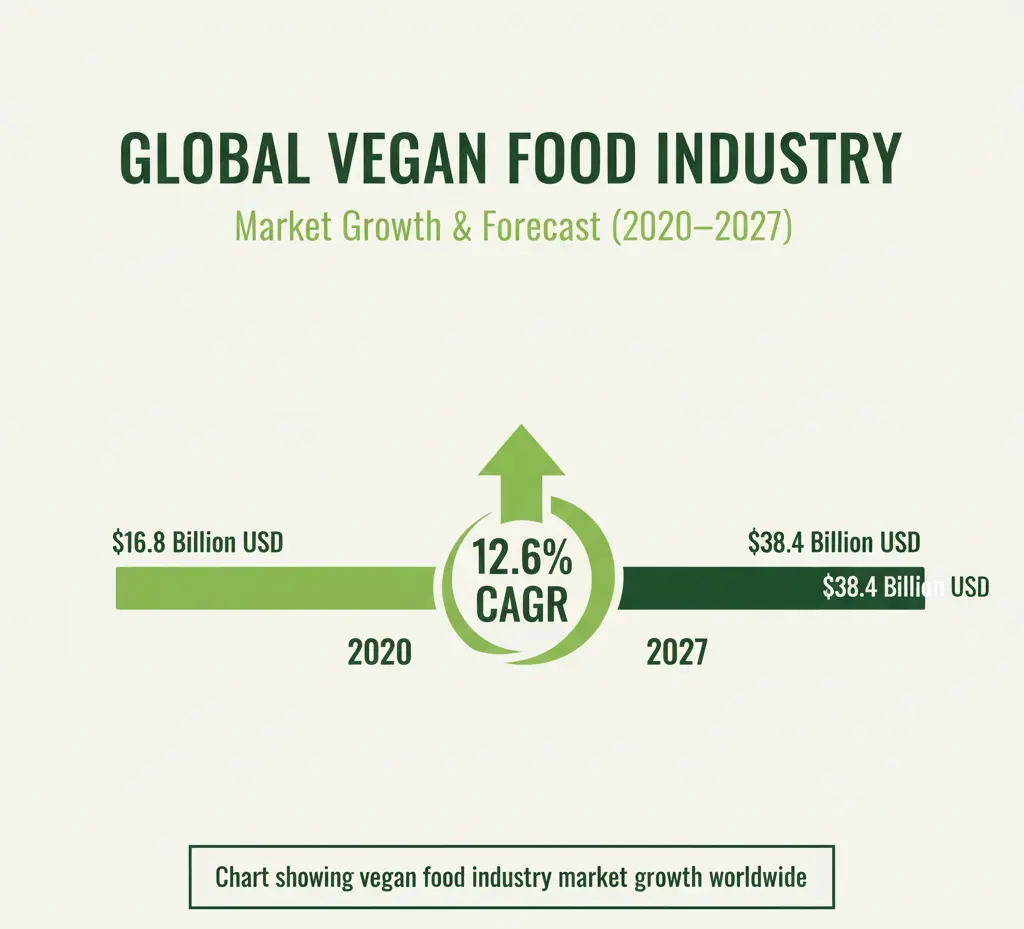
Today, the vegan food industry is booming: plant-based milks (soy, almond, oat), meat alternatives (plant-based burgers, sausages), vegan cheeses, vegan baked goods, and more. Restaurants and mainstream food chains are adding vegan menus. This industry growth contributes to the popularity and accessibility of vegan food.
Furthermore, digital media, influencers, vegan cooking shows, and Instagram have helped spread vegan food culture globally.
Market size & growth
The vegan food industry has grown rapidly. Searches and consumer demand for vegan food, vegan substitutes, and plant-based alternatives have surged. For example, global vegan-related keyword volumes show strong numbers. The shift in dining out and restaurant searches for vegan food is substantial.
There is also data from the Vegan Society showing increased consumer interest and a reduction in animal-product consumption in the UK.
Innovations
- Plant-based meat alternatives (e.g., soy, pea-protein, fungal mycoprotein) and dairy-free milk, cheese, yoghurt.
- Vegan food product lines in mainstream supermarkets; entire brands dedicated to vegan food.
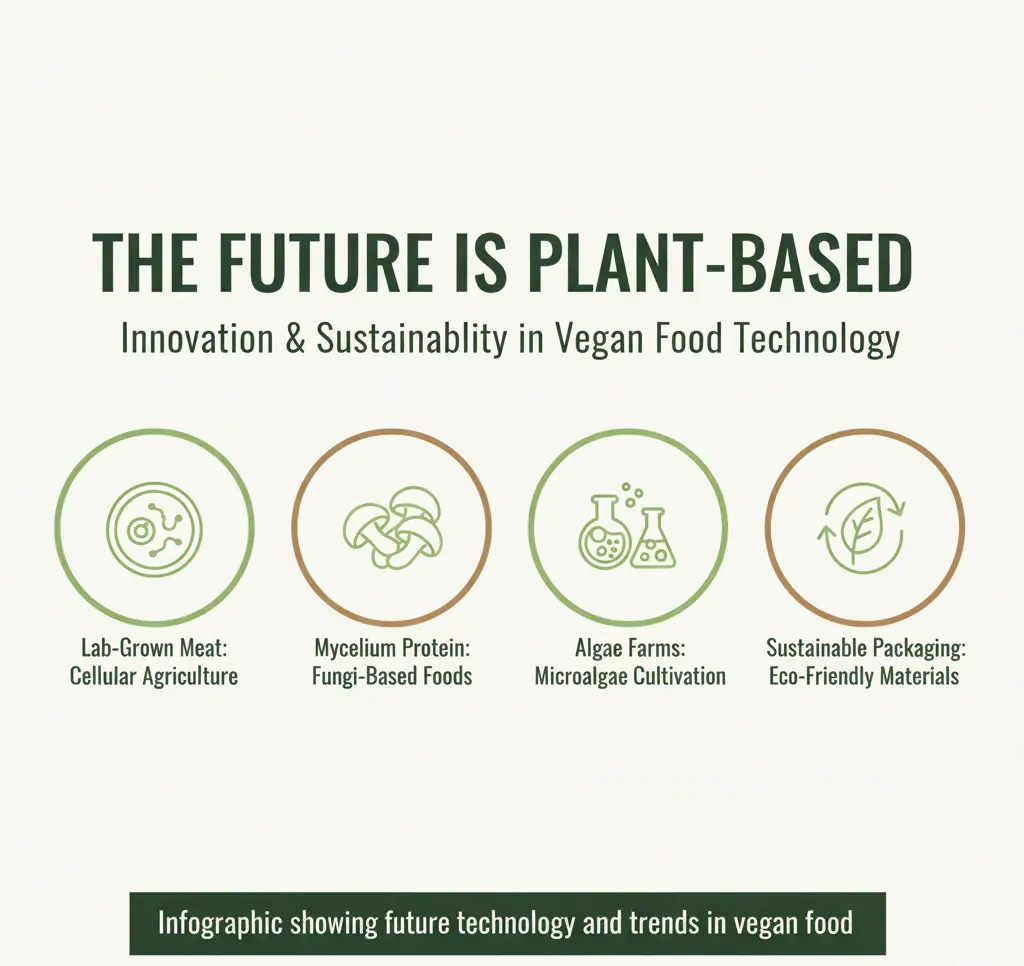
- Food technology: lab-grown meat, fermentation-based vegan proteins, sustainable packaging.
- Restaurant and food-service sector: vegan menus, dedicated vegan restaurants, and mainstream chains offering vegan food.
- Global market penetration: Vegan food is no longer limited to Western markets. India, China, and Latin America see growth in vegan food options.
Industry challenges and strategies
- Supply chain scalability: sourcing sufficient plant-based proteins, managing cost.
- Consumer education: Helping customers understand that vegan food can be tasty, nutritious, and accessible.
- Marketing strategy: Many vegan food brands use ethical branding, sustainability credentials, and “clean label” claims.
- Localisation: Adapting vegan food products to local tastes and cuisines.
Summary
The vegan food industry today is dynamic, rapidly expanding, innovating in product development, branding, and global reach. For those interested in the food business, this is one of the most exciting growth niches.
Famous Vegan Foods and Recipes Around the World
Vegan food is diverse and global:
- Legume-based stews, tofu, and tempeh in Asia.
- Whole-grain and vegetable dishes in Mediterranean regions.
- Modern plant-based burgers and “meat” alternatives in North America and Europe.
- Traditional plant-based cuisines in India, where vegetarian/plant-based diets have deep cultural roots.
Providing delicious, visually appealing vegan meals has also helped overcome the misconception that vegan food is boring.
While vegan food can often be stereotyped as salads and smoothies, the reality is rich, diverse, and global. Here are some examples of famous vegan foods and recipes:
Examples of vegan foods globally

- In India: Many traditional dishes are naturally vegan or easily adapted (e.g., chana masala, dal with no ghee, vegetable biryanis).
- In Italy, Vegan pasta dishes using tomato-based sauces without cheese, and vegan gelato made from coconut/almond milk.
- In the U.S.: Plant-based burgers, vegan “chicken” wings made from soy or wheat protein, and dairy-free ice cream.
- In Latin America: Vegan tacos with beans, plant-based “meat” substitutes, and avocado-based dishes.
- In Asia: Vegan sushi using tofu, mushrooms, veggie tempura; plant-based hot pot ingredients; vegan renditions of classics.
Sample vegan recipe ideas
- Vegan lentil shepherd’s pie with mashed cauliflower topping.
- Chickpea “tuna” salad (chickpeas, vegan mayo, celery, seaweed for flavour).
- Tofu scramble breakfast (tofu, turmeric, vegetables) replacing eggs.
- Coconut-almond milk vegan ice cream.
- Vegan pad thai made with rice noodles, tofu, vegetables, and tamarind sauce.
Why these recipes matter
They show that vegan food can be:
- Delicious and satisfying, not just health food.
- Culturally adapted, each region can use local ingredients.
- Nutritionally balanced, providing protein, fibre, and healthy fats.
- Accessible, many vegan food recipes use everyday ingredients.

Table: Vegan food around the world
| Region | Typical Vegan Dish | Notes |
|---|---|---|
| South Asia | Vegetable biryani (no ghee) | Long vegetarian/vegan tradition |
| Europe | Vegan pasta arrabiata | Simple tomato-based, avoid cheese/dairy |
| North America | Plant-based burger & fries | Technology + convenience market |
| Latin America | Bean & avocado tacos | Uses legumes + fresh produce |
| East Asia | Vegan ramen (miso broth, tofu) | Regional staple adapted |
Common Misconceptions About Veganism
- “Vegan food is tasteless” – false: innovation in vegan cooking has made it highly flavorful.
- “You can’t get enough protein” – false: legumes, grains, nuts, and seeds provide ample protein with proper planning.
- “Vegan diets are automatically healthy” – partly false: just because it’s vegan doesn’t guarantee optimal nutrition (especially if ultra-processed).
- “Veganism is only a Western trend” – false: plant-based diets have long roots in various non-Western cultures.
Despite increasing popularity, vegan food and the vegan lifestyle still attract misconceptions. Let’s clarify some of the most common:
Misconception 1: “Vegan food means you can’t get enough protein.”
Truth: With good planning, a diet centred on legumes, soy, grains, seeds, nuts, and fortified foods can provide sufficient protein. The key is variety and appropriate portion sizes.
Misconception 2: “Vegan food is automatically healthy”
Truth: Vegan food is simply food that excludes animal products — it’s possible to eat unhealthy vegan food (e.g., lots of processed vegan junk). A healthy vegan diet still requires whole foods, balanced nutrients. For example, an article notes “a healthy vegan diet should contain a variety of whole grains, proteins, healthy fats, and fruits and vegetables.”
Misconception 3: “Vegan food is too expensive or inaccessible”
Truth: While specialty vegan food items can cost more, many staple foods (beans, lentils, grains, and vegetables) are affordable. Also, as the vegan food market grows, mainstream pricing is improving, and accessibility is increasing globally.
Misconception 4: “Vegan food is just for Western/wealthy countries”
Truth: Vegan food and plant-based diets have roots in many cultures (e.g., India, Ethiopia). And the global vegan trend is spreading to developing countries as well. The growth in vegan households and vegan food demand is worldwide.
Misconception 5: “Vegan food is boring or lacking taste”
Truth: With the innovation in plant-based cooking, vegan food offers a wide palette of flavours, cuisines, and textures. From vegan cheesecakes to plant-based steaks, the spectrum is vast.
The Future of Vegan Food: Sustainability and Technology

Sustainability trends
- As awareness of climate change grows, more individuals and institutions may shift toward vegan food to reduce environmental impact.
- Food systems may increasingly adopt regenerative agriculture, plant-based protein sources, and reduce reliance on animal farms.
- The vegan food movement links with the circular economy, zero-waste, and sustainable supply chains.
Technological innovations
- “Clean meat” or cultured meat: lab-grown animal cells producing meat–like products without full animal farming. While not strictly “vegan food” by some definitions, it reflects the trajectory of food innovation.
- Advanced plant-based proteins: mycoprotein, algae, fungi—new sources of vegan food protein.
- Improved food engineering for taste, texture, and nutrition—making vegan food competitive with traditional animal-based foods.
- Digital platforms: apps for vegan food localisation, vegan ingredient tracking, and augmented reality for food labelling.
Market and policy implications
- Governments and institutions may support plant-based diets for health and the environment (school meals, hospital menus, subsidies).
- Food-service industries will continue expanding vegan food options.
- Vegan food brands will need to scale responsibly: sourcing, traceability, and ethical certification.
- The “food identity” paradigm may shift: plant-based dishes become the default rather than a niche, making vegan food less of a “special” category and more of a common option.
Challenges ahead
- Ensuring nutrition across populations adopting vegan food (especially vulnerable groups like children, pregnant women).
- Managing cultural, regional diversity: vegan food must integrate local cuisine and not be seen as “imported Western fad.”
- Balancing innovation with sustainability: processing, packaging, and transport still have environmental costs; vegan food must address these.
- Avoiding “greenwashing”: genuinely sustainable vegan food vs just marketing labels.
Conclusion
The story of vegan food starts in ancient philosophies and early ethical diets, transitions to the formal coinage of “vegan” in 1944, and evolves into a global movement encompassing health, environment, ethics, and community. While vegan food offers compelling benefits, it also comes with challenges that require planning and awareness. For those who choose it, vegan food is more than meals; it’s a lifestyle aligned with values of compassion, sustainability, and health. As the world continues to grapple with climate change, pandemics, resource constraints, and health crises, vegan food stands as a powerful option for many.
If you’re considering adopting vegan food, you’re engaging with more than a diet: you’re stepping into a lifestyle with community, innovation, and global relevance. With the future pointing toward more sustainable, inclusive, and plant-based food systems, vegan food is likely to continue its rise.
Take the next step: explore local vegan food options, try out new recipes, join a vegan community, and engage with the ethos behind the food. Because vegan food is not merely what you eat, it’s how you live.
FAQs
Q1: What exactly counts as vegan food?
Vegan food refers to foods that exclude all animal-derived products: meat, fish, dairy, eggs, honey, and often other by-products like gelatin, rennet. It typically emphasises plant-based ingredients (vegetables, legumes, grains, nuts, seeds) and may include fortified foods and vegan substitutes.
Q2: Is a vegan diet healthy for everyone?
Yes, when well-planned,d a vegan food diet can meet all nutritional requirements for most people. However, special attention must be paid to nutrients like vitamin B12, iron, calcium, omega-3s, and sometimes iodine or zinc. It’s wise to consult a dietitian when transitioning.
Q3: How did vegan food become popular worldwide?
Vegan food became popular through a combination of ethical awareness (animal rights), environmental concerns, health research, social media/cultural influence, innovation in food substitutes, and increased availability of vegan food options in supermarkets and restaurants. Surveys show the number of people reducing animal-product intake is increasing.
Q4: What are the main benefits of eating vegan food?
Benefits include potential improved health outcomes (reduced risk of heart disease, diabetes, and weight management), environmental benefits (reduced resource use, lower emissions), and ethical benefits (less animal exploitation). These benefits depend on how well the diet is planned.
Q5: What are the drawbacks of vegan food?
Drawbacks or challenges include potential nutrient deficiencies (if poorly planned), accessibility/cost issues in some regions, social/culinary adaptation, and the possibility of relying heavily on processed vegan foods, which may not be healthy. Good planning and education mitigate these.
Q6: Is vegan food just for the West or wealthy populations?
While many early vegan-food innovations emerged in Western contexts, plant-based diets have roots globally and are increasingly accessible in non-Western countries. The vegan food trend is spreading worldwide and is not limited to wealthy populations.
Q7: What does the future hold for vegan food?
The future of vegan food is likely bright. Expect greater innovation in plant-based proteins, sustainable agriculture, food-technology breakthroughs, mainstream adoption of vegan food options, and integration into policy and public-health strategy. However, challenges remain in nutrition equity, cultural adaptation, and sustainability of production.